# **What Makes( نظام إدارة الموارد البشرية (HRMS) Key to Compliance 2026?**
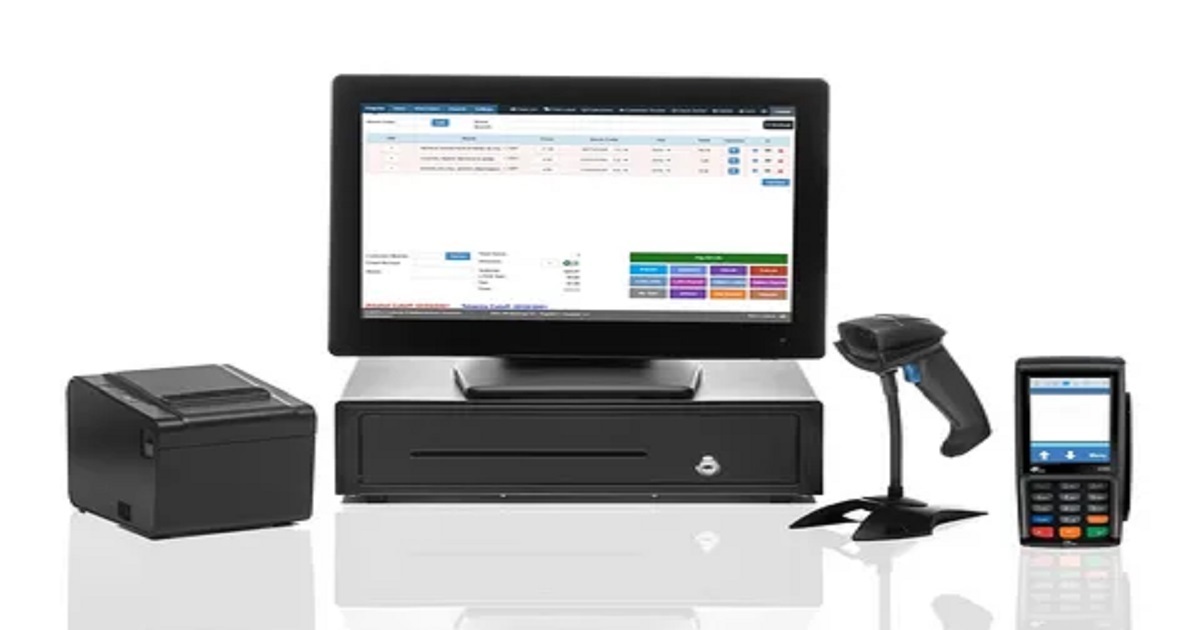
Compliance has become a defining factor for business sustainability in Saudi Arabia. As labor regulations evolve and government oversight increases, organizations are expected to maintain accurate employee records, transparent payroll processes, and clear documentation for audits. Compliance is no longer limited to avoiding penalties; it directly influences employer reputation, employee trust, and long-term growth. In this environment, human resources departments carry a growing responsibility to ensure that policies, processes, and data align with regulatory expectations.
To meet these demands, companies are moving away from fragmented HR processes and toward integrated digital solutions. **[نظام إدارة الموارد البشرية (HRMS)](https://bnody.com/نظام-إدارة-الموارد-البشرية-في-المملكة/)** has become a critical tool for organizations seeking to centralize HR operations while maintaining full compliance. By 2026, HR technology is not just supporting compliance efforts but actively shaping how businesses operate within the Saudi regulatory framework.
### **Understanding HR Compliance in the Saudi Labor Market**
HR compliance in Saudi Arabia covers a wide range of responsibilities, including employee contracts, working hours, leave entitlements, payroll accuracy, Saudization requirements, and data protection. Each of these areas is governed by specific regulations that must be consistently applied across the organization. Managing this level of complexity manually increases the risk of oversight and inconsistency.
An effective HRMS provides a structured approach to managing these requirements. By centralizing employee data and standardizing processes, organizations can ensure that compliance is embedded into daily operations rather than treated as an occasional administrative task.
### **Why Traditional HR Practices Struggle to Maintain Compliance**
Traditional HR practices often rely on spreadsheets, paper files, and disconnected software tools. While these methods may work for small teams, they quickly become inefficient as organizations grow. Data duplication, outdated records, and inconsistent approvals make it difficult to demonstrate compliance during audits or inspections.
In Saudi Arabia, where documentation accuracy is critical, these limitations expose businesses to regulatory risk. HRMS platforms replace fragmented workflows with unified systems that ensure data accuracy, traceability, and accountability across all HR functions.
### **Centralized Employee Data as the Foundation of Compliance**
One of the most significant advantages of an HRMS is centralized employee data management. Every employee record, from onboarding documents to contract updates and performance history, is stored securely in one system. This centralization eliminates discrepancies and ensures that information is always up to date.
For Saudi organizations, centralized data simplifies compliance with labor inspections and internal audits. HR teams can quickly retrieve required documentation, demonstrate policy adherence, and respond confidently to regulatory inquiries.
### **Automating Policy Enforcement and HR Workflows**
Compliance depends not only on accurate data but also on consistent policy enforcement. HRMS platforms automate workflows such as leave approvals, attendance tracking, and disciplinary actions based on predefined rules. This automation ensures that policies are applied fairly and consistently across the organization.
In 2026, automation also helps organizations adapt quickly to regulatory changes. When policies are updated within the system, new rules are applied automatically, reducing the risk of non-compliance caused by outdated procedures.
### **Ensuring Payroll and Attendance Compliance**
Payroll and attendance management are among the most regulated HR functions in Saudi Arabia. Errors in working hours, overtime calculations, or salary payments can lead to disputes and penalties. HRMS solutions integrate attendance tracking with payroll processing to ensure that compensation reflects actual work performed.
This integration reduces manual intervention and enhances accuracy. For organizations managing large or shift-based workforces, automated payroll compliance is essential for maintaining trust and regulatory alignment.
### **Supporting Saudization and Workforce Reporting Requirements**
Saudization requirements play a crucial role in Saudi labor policy. Organizations must track employee nationality, job roles, and employment status to meet localization targets. HRMS platforms provide structured reporting tools that help organizations monitor compliance with Saudization regulations.
By offering real-time visibility into workforce composition, HRMS solutions allow leadership teams to make informed hiring decisions while maintaining compliance with national employment objectives.
### **Enhancing Transparency and Employee Trust**
Transparency is a key component of compliance. When employees understand their contracts, benefits, leave balances, and performance expectations, disputes are reduced and engagement improves. HRMS platforms provide employee self-service portals that offer real-time access to personal HR information.
In Saudi workplaces, this transparency strengthens trust between employees and management. Employees feel confident that policies are applied fairly, while HR teams benefit from reduced administrative queries.
### **Strengthening Data Security and Privacy Compliance**
Protecting employee data is a growing concern for organizations worldwide. In Saudi Arabia, businesses are expected to handle personal data responsibly and securely. HRMS platforms incorporate security features such as access controls, encryption, and audit trails to protect sensitive information.
***[bnody.com](https://bnody.com/)*** by ensuring that only authorized users can access specific data, HRMS solutions help organizations meet data protection requirements and reduce the risk of breaches or misuse.
### **Audit Readiness and Regulatory Confidence**
Audits are an inevitable part of operating in a regulated environment. HRMS platforms simplify audit preparation by maintaining complete and organized records of HR activities. Approval logs, document histories, and compliance reports are readily available, reducing stress and preparation time.
For Saudi organizations, audit readiness demonstrates professionalism and operational maturity. HRMS systems transform audits from disruptive events into routine validations of compliant processes.
### **Why bnody Enables Compliance-Driven HR Operations**
bnody delivers HRMS solutions designed to support the regulatory and operational needs of Saudi businesses. By combining compliance-focused features with intuitive workflows, bnody helps organizations manage their workforce efficiently while maintaining alignment with labor regulations.
The platform supports scalability, data security, and seamless integration with payroll and attendance systems. As organizations prepare for 2026, bnody provides the tools needed to turn compliance into a strategic advantage rather than an operational burden.
### **The Role of HRMS in Future-Proofing Compliance in 2026**
As regulations continue to evolve, organizations must adopt systems that can adapt quickly without disrupting operations. HRMS platforms offer the flexibility and automation required to stay compliant in a dynamic regulatory environment.
In 2026, compliance is no longer reactive. It is proactive, data-driven, and embedded into everyday HR practices. HRMS solutions are central to this transformation, enabling organizations to operate with confidence and clarity.
Compliance is a defining challenge for Saudi organizations navigating growth and regulatory complexity. Manual HR processes can no longer keep pace with evolving labor requirements. نظام إدارة الموارد البشرية (HRMS) provides the structure, automation, and transparency needed to maintain consistent compliance across all HR functions. By centralizing data, automating workflows, and **[strengthening](https://hedgedoc.sysnove.net/)** audit readiness, HRMS solutions help organizations build trust, reduce risk, and prepare for the future. As 2026 approaches, investing in the right HRMS is essential for sustainable and compliant business operations.
## **FAQs**
### **How does an HRMS improve compliance?**
An HRMS standardizes processes, centralizes data, and automates policy enforcement to reduce compliance risks.
### **Is HRMS suitable for growing Saudi companies?**
Yes, HRMS platforms scale easily and adapt to changing workforce and regulatory needs.
### **Can HRMS support payroll and attendance compliance?**
Integrated systems ensure accurate working hours, salary calculations, and transparent records.
### **Does HRMS help with Saudization requirements?**
HRMS platforms provide workforce visibility and reporting to support localization compliance.
### **Why is HRMS important for 2026?**
Increasing regulatory complexity makes automated, centralized HR systems essential for compliance.